
One newsletter email carries several sender addresses, and each of them belongs to a domain. This post follows one email from your app to the reader's inbox and shows which Domain Name System (DNS) records prove that each of those domains is yours.

One newsletter email carries several sender addresses, and each of them belongs to a domain. This post follows one email from your app to the reader's inbox and shows which Domain Name System (DNS) records prove that each of those domains is yours.
Every Mac comes with a firewall, and it is switched off. This post explains what that firewall does, why turning it on is a small but free win, when a second firewall for outgoing traffic is worth installing, and why on a work Mac the decision is not yours.
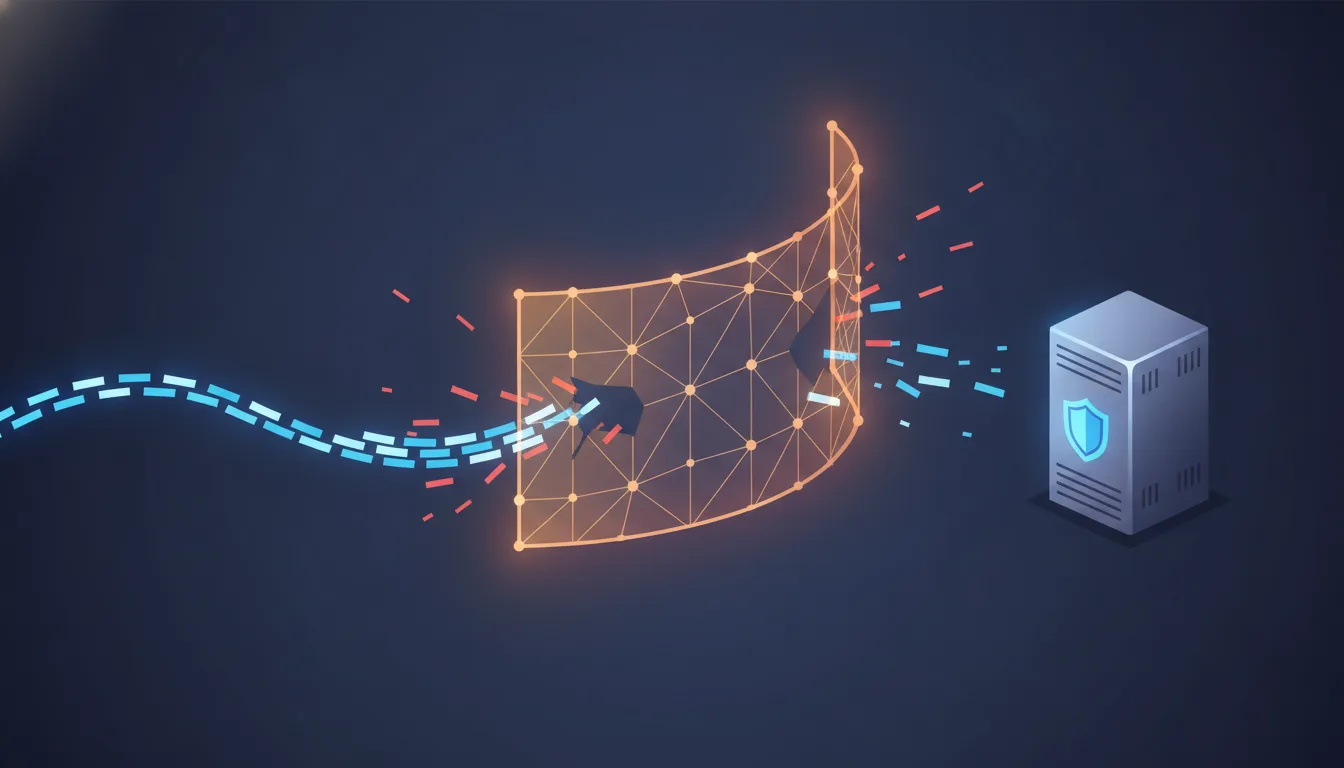
You've seen this screen a thousand times: a dark page, the domain name in bold, "Performing security verification", and a lonely checkbox with the Cloudflare logo. It feels like a speed bump, but there's a surprisingly rich pipeline behind it — and, importantly, none of it runs on the website's own servers.
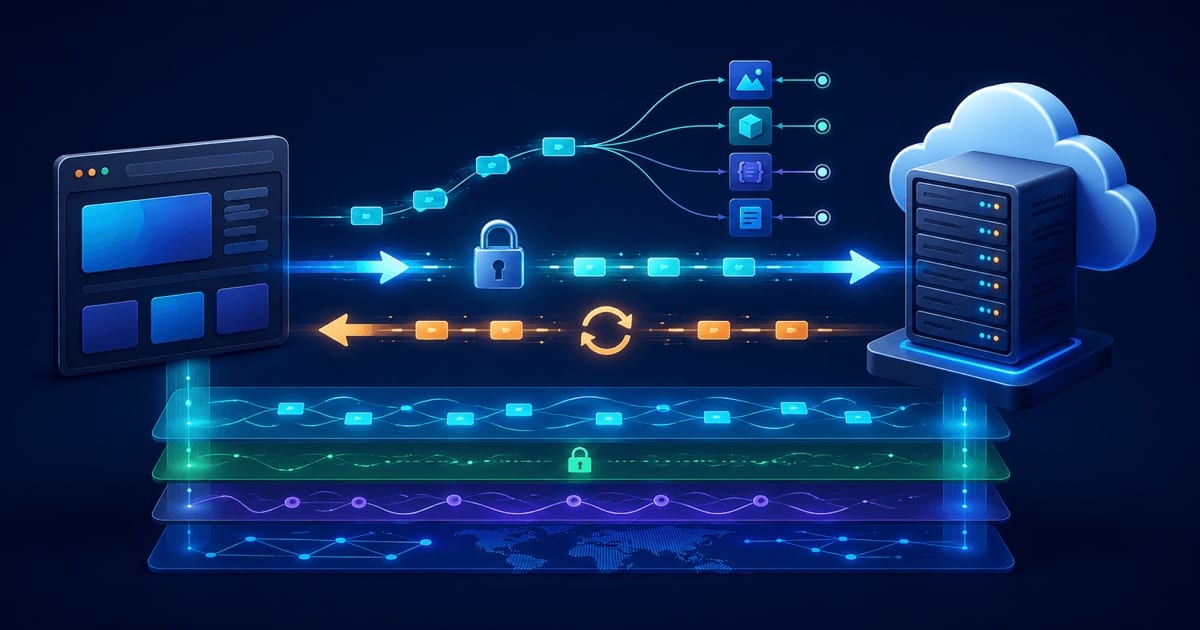
Every framework, HTTP client, and browser hides the protocol behind a few convenient calls — so most developers never see the request that actually goes over the wire. This post pulls back that curtain: the communication model, the methods, the status codes, and the headers you've been using all along without knowing it.
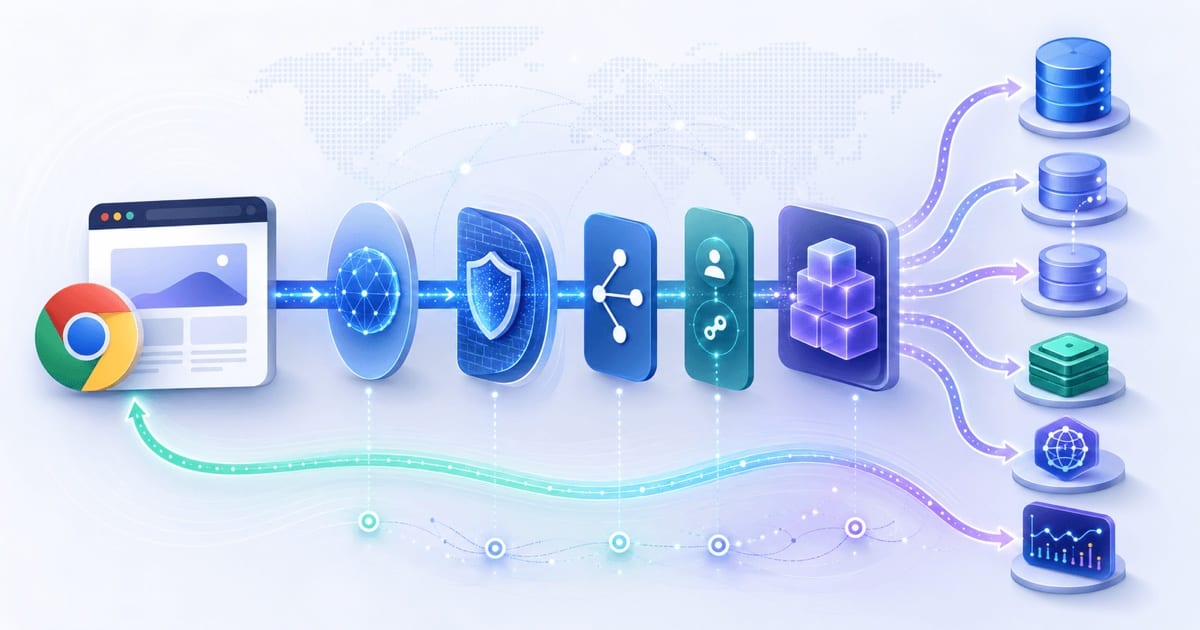
Type a URL, hit Enter, and a page appears. Between that keystroke and the first pixel sits a surprising amount of machinery — DNS, TCP, TLS, HTTP, load balancers, and the services behind them. This post walks the whole path, end to end.

Virtual Private Network (VPN) marketing has done an incredible job convincing people that a single subscription makes them anonymous, secure, and untouchable. "Military-grade encryption." "No logs." "Total privacy." The reality is far messier: a VPN is a useful tool for a narrow set of problems, but as a privacy solution it has structural weaknesses that no amount of marketing can fix.
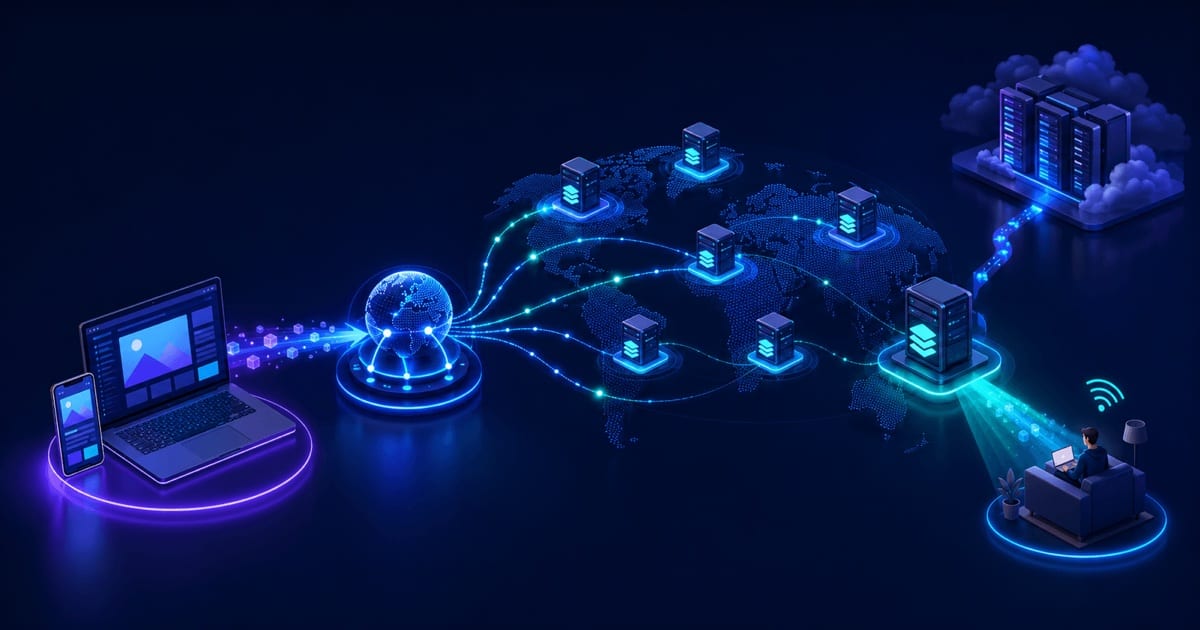
A CDN feels like magic: your site suddenly loads fast everywhere. But it's really just a handful of well-understood parts working together. Let's take them one at a time.
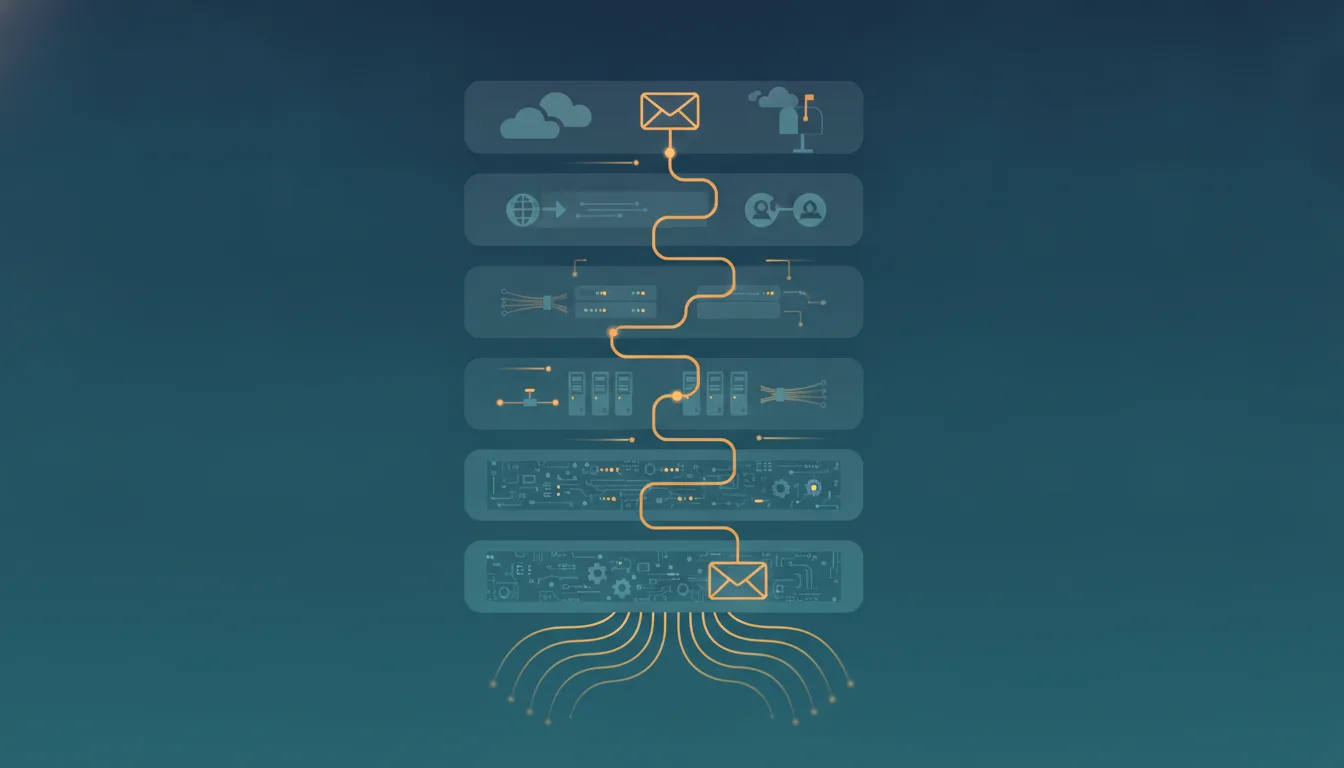
If you've ever nodded along when someone said "that's a layer 4 problem" while secretly having no idea what they meant, this post is for you. We'll walk through the OSI (Open Systems Interconnection) model with a simple, everyday postal analogy, and then use that new knowledge to understand why HTTP/3 — the newest version of the HyperText Transfer Protocol (HTTP) — is such a big deal.