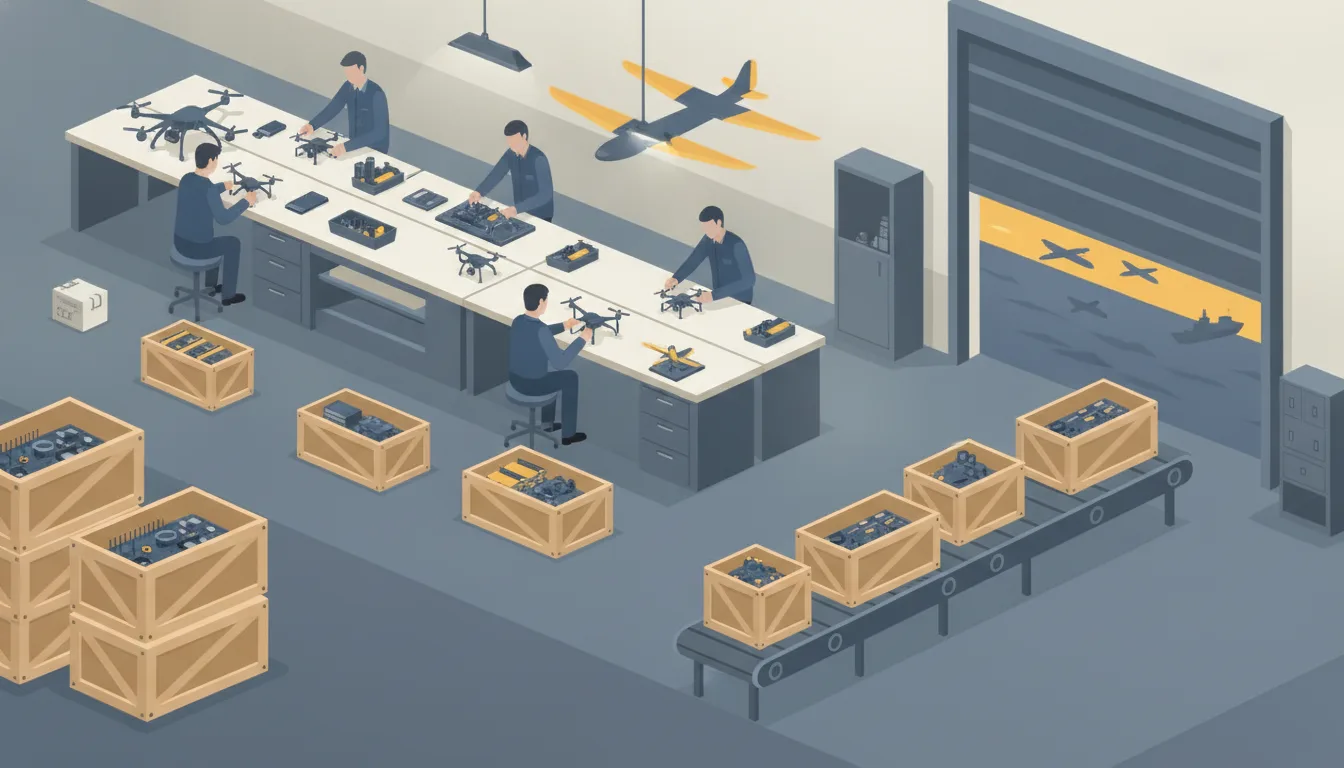
Ukraine now makes almost all the drones it uses in the war, and its factories can make more than the country can pay for. This post explains who builds them, who helps pay for them, and which countries have started to buy them.

Ukraine now makes almost all the drones it uses in the war, and its factories can make more than the country can pay for. This post explains who builds them, who helps pay for them, and which countries have started to buy them.

FC Barcelona's leaders made some very expensive mistakes, yet the club's youth academy, La Masia, is producing world-class players again. Its story shows how the people who do the daily work can keep an institution or a company good when the people at the top fail.
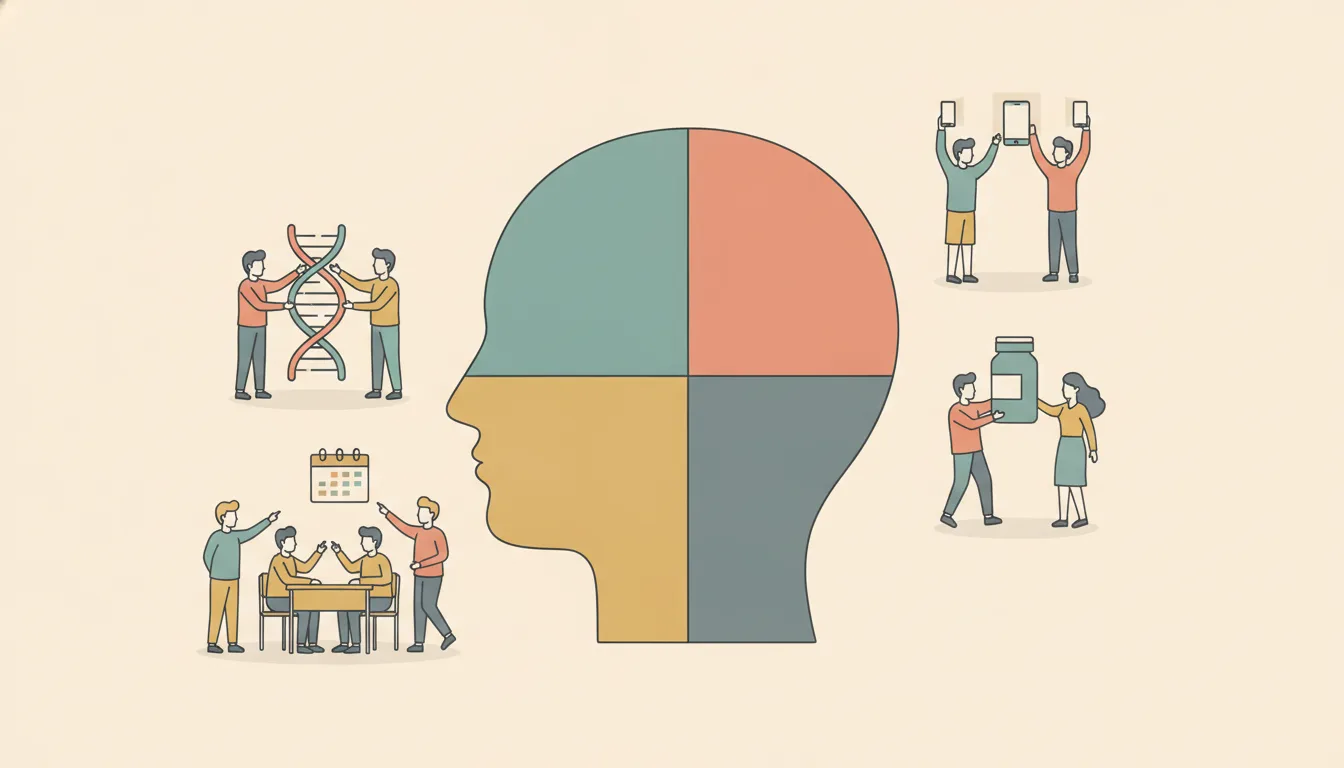
Some people say ADHD (attention deficit hyperactivity disorder) is one of the best-studied conditions in psychiatry. Others say it is a label that turns normal restless children into patients. This post looks at why the argument never ends: it is really four different arguments, and the evidence is strong for some of them and weak for others.

Life is school, and nobody gave me the syllabus: different subjects, discipline, homework, and a little time in the playground. It's a sentence I keep coming back to — so here is the case for it, the case against it, and what survives both.

The unidentified flying objects (UFOs) of popular culture are big, bright craft hovering in our skies. Ask an engineer how to study another civilization without being noticed, and you get something very different: a network of probes that is small, quiet, spread out, and mostly nowhere near Earth.

The people building the most powerful artificial intelligence (AI) systems in the world have just asked, in public, to slow down. The headlines say it is because the machines are getting too intelligent. That is the wrong lesson. The right one is less flattering to everyone involved, and a lot more useful to know.

Ahir, dimecres 9 de setembre, més de cinc-centes persones van omplir la Sala Gran del Museu Marítim de Barcelona per celebrar que un domini d'internet fa vint anys. Dit així sona a excusa per fer un vermut. Però el .cat és una de les coses més improbables que ha aconseguit mai la societat civil catalana, i val la pena explicar per què.
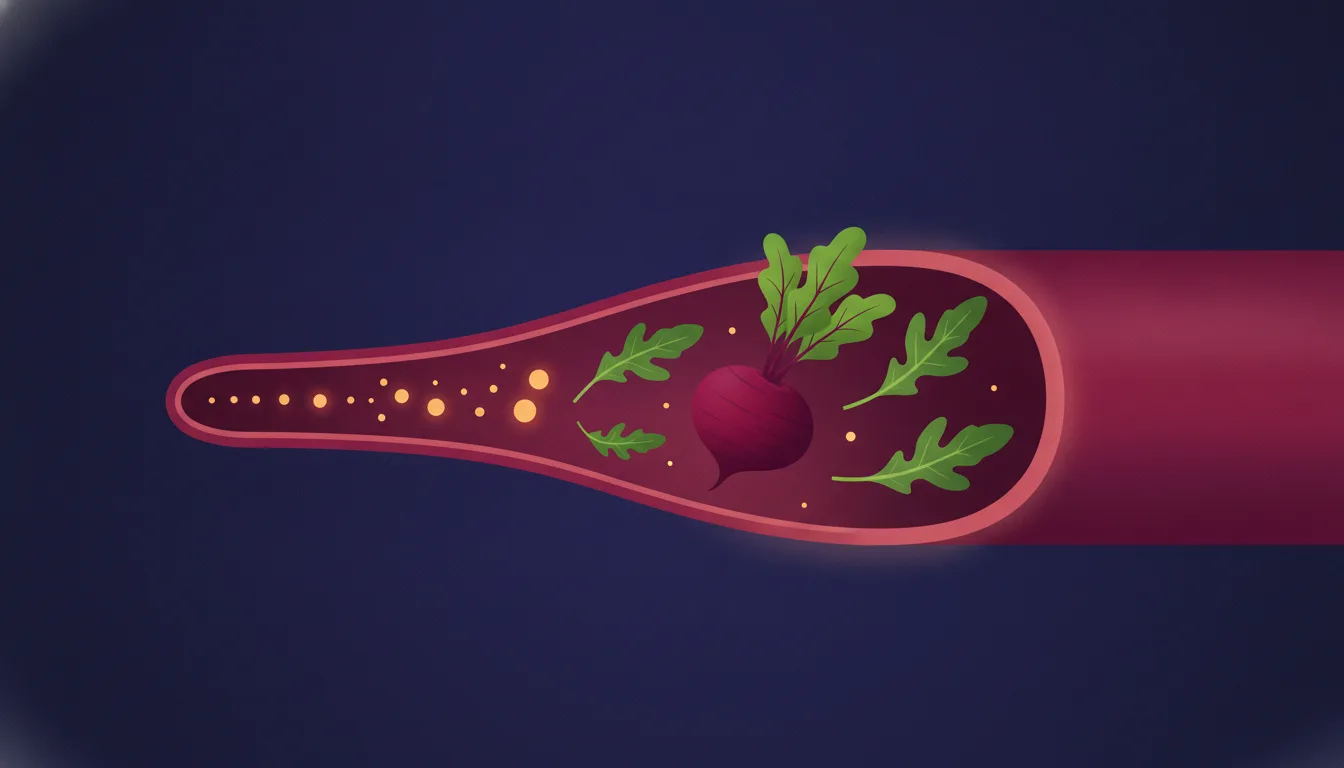
Beet powders, chewing gum, saliva test strips, and a longevity podcast every other week: nitric oxide is having a moment. The molecule is real, it won a Nobel Prize, and almost none of the products sold to boost it contain any of it. Here is what the evidence supports, what it doesn't, and what actually works.

Watch marketing sells cases, dials and stories. The calibre inside is the one part of the spec sheet you can check, compare and price — and once you know a dozen of them by name, most of the market stops being mysterious.

A tu et roben dues vegades. La primera te la fa un paio que et rebenta el bombí un dijous a les set de la tarda i marxa en tres minuts. La segona te la fan cada mes, per domiciliació bancària, amb contracte signat, factura amb Impost sobre el Valor Afegit (IVA) i servei d'atenció al client.