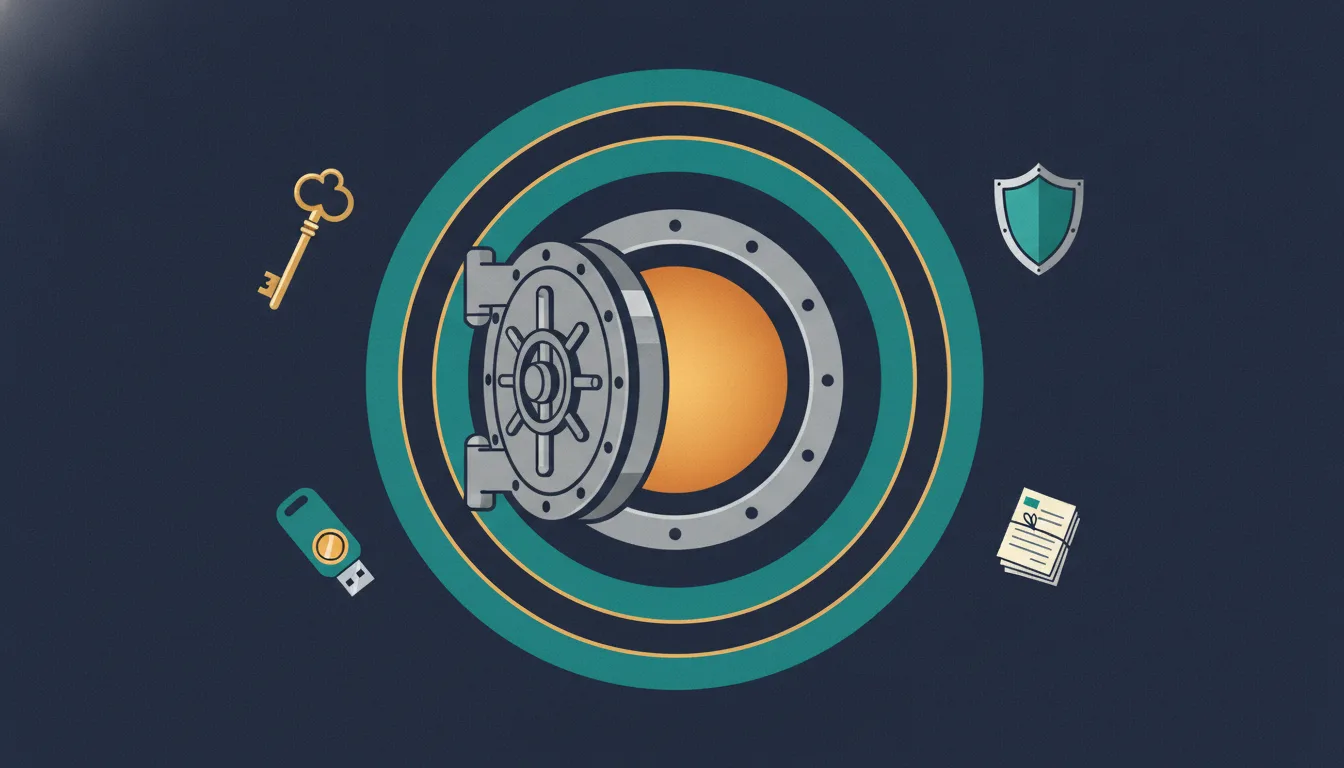
Most people's digital security is a single point of failure with extra steps. Locking it down — password manager, two-factor authentication, recovery codes, tested backups — is a weekend project, not a lifestyle.
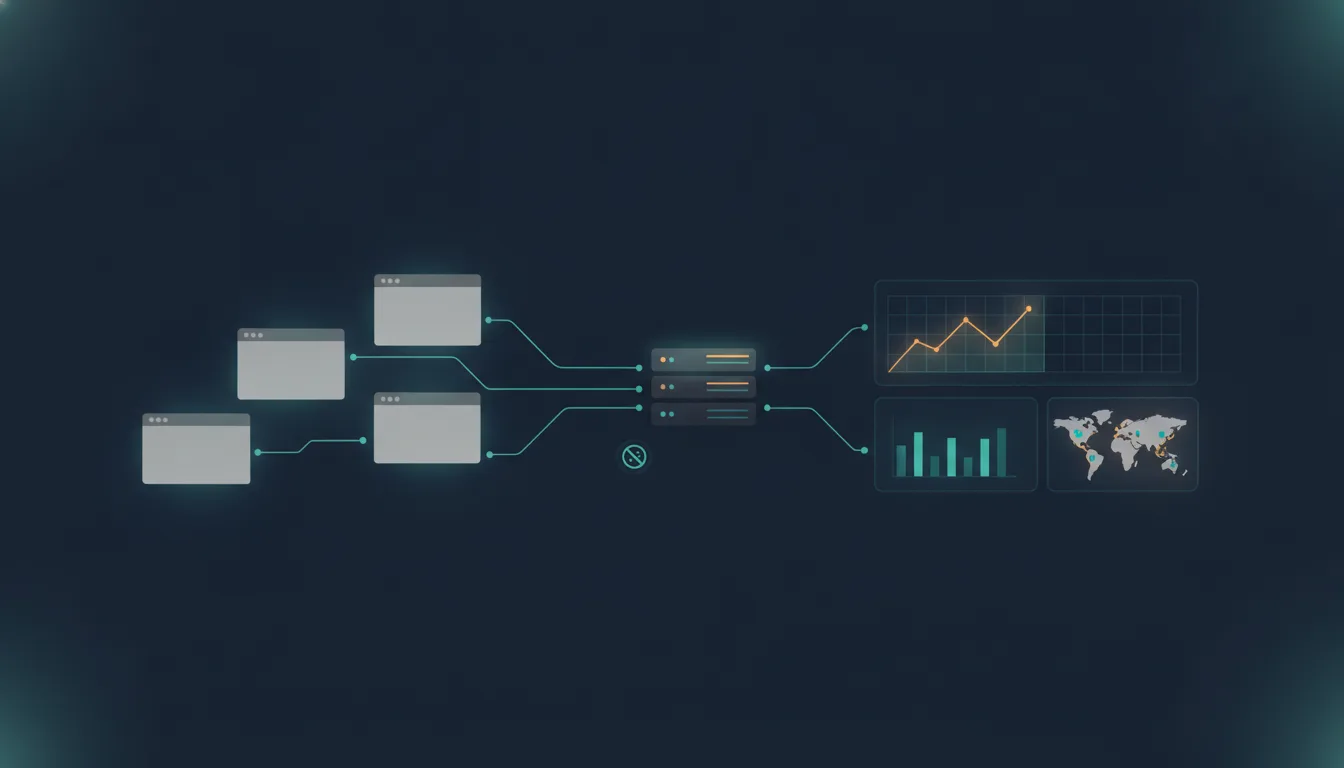
Virtual Private Network (VPN) marketing has done an incredible job convincing people that a single subscription makes them anonymous, secure, and untouchable. "Military-grade encryption." "No logs." "Total privacy." The reality is far messier: a VPN is a useful tool for a narrow set of problems, but as a privacy solution it has structural weaknesses that no amount of marketing can fix.
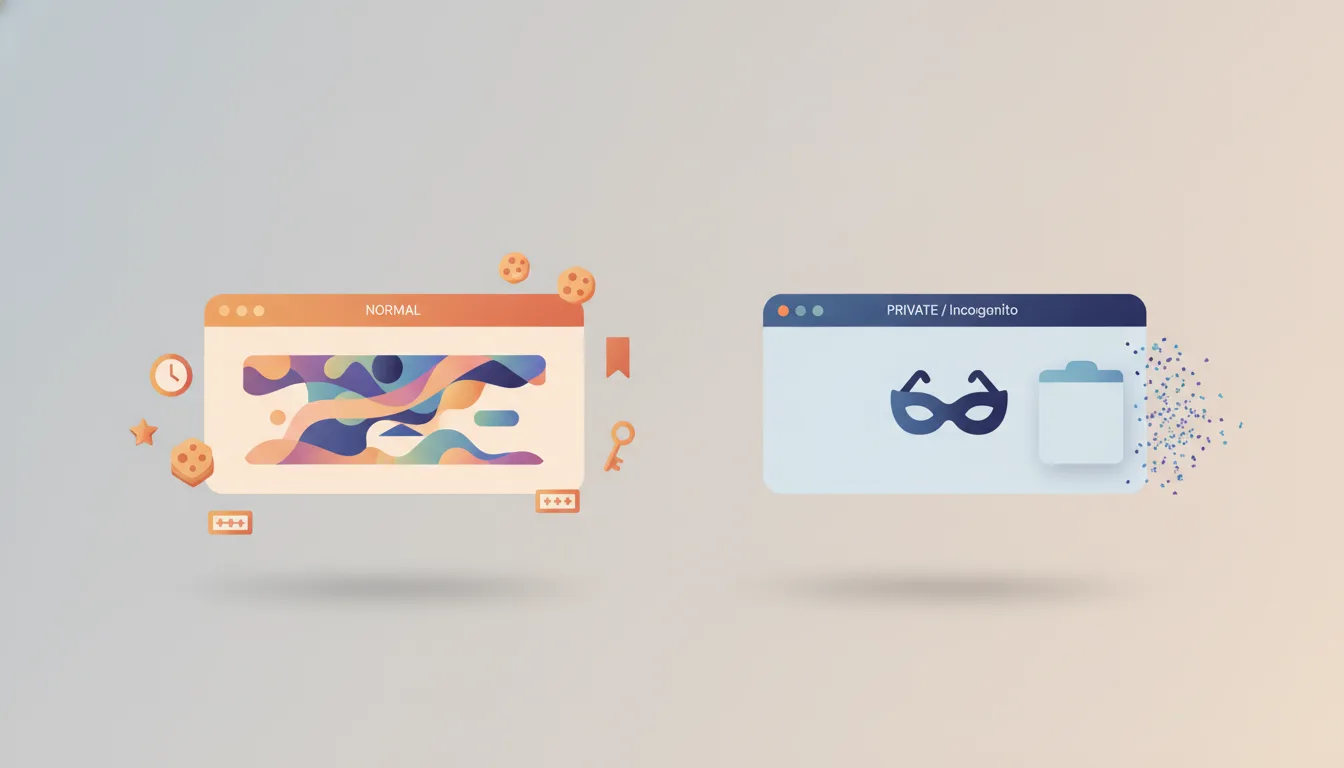
Every browser ships with a "private" or "incognito" mode, and most people have a fuzzy sense that it's "the one that doesn't save history." That's true, but it undersells what's happening and oversells the privacy. Here's what actually changes when you open a private tab, and — just as important — what doesn't.
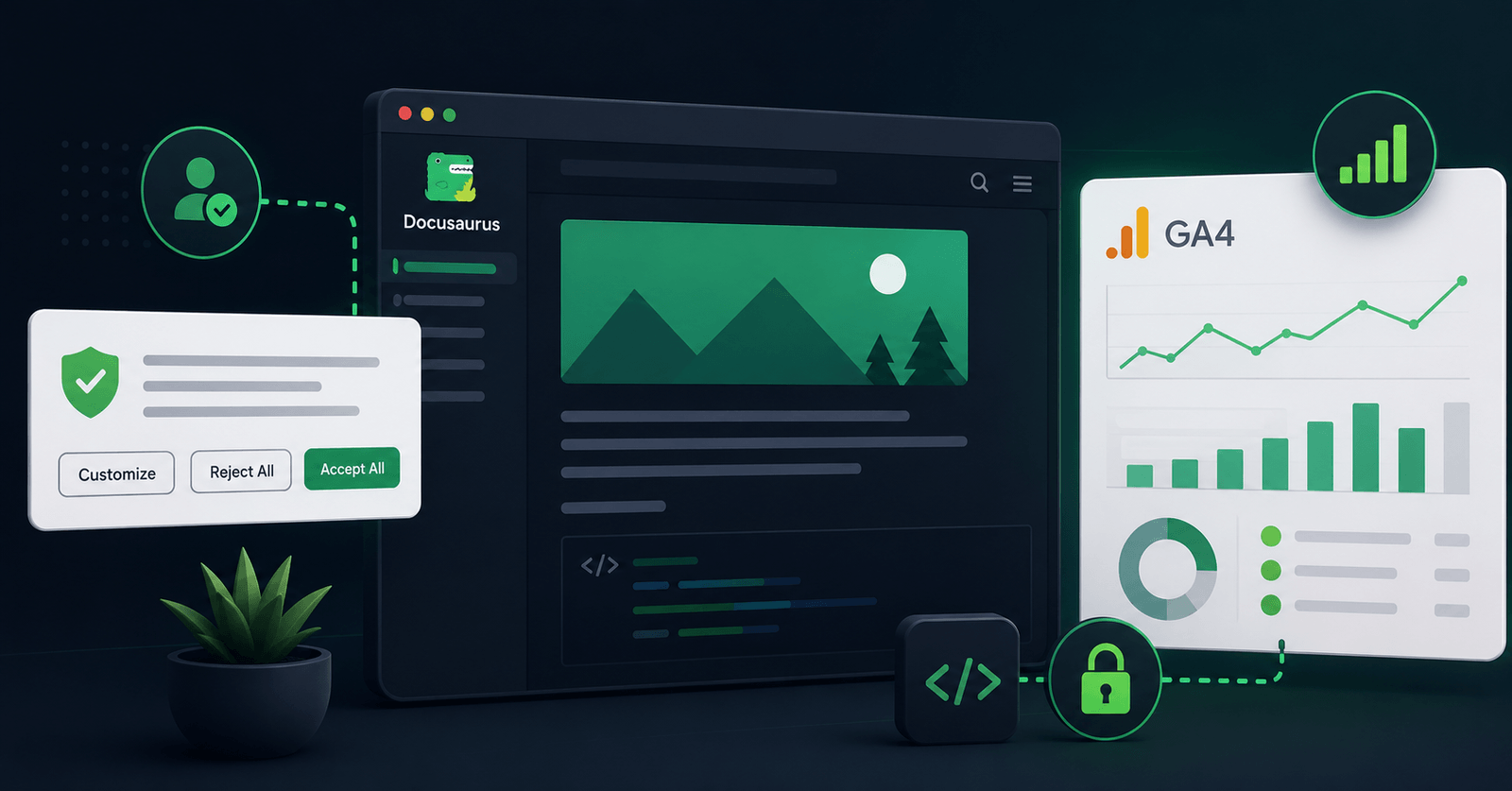
I wanted to know which posts people actually read — without dropping a tracking cookie on someone the moment they land. This is how the blog runs Google Analytics 4 (GA4) on a static Docusaurus site while keeping it completely off until you opt in.