8 posts tagged with "http"

View All Tags

Beyond HTTP, Part 2: Two-Way Streets

· 9 min read
Pere Pages
Software Engineer
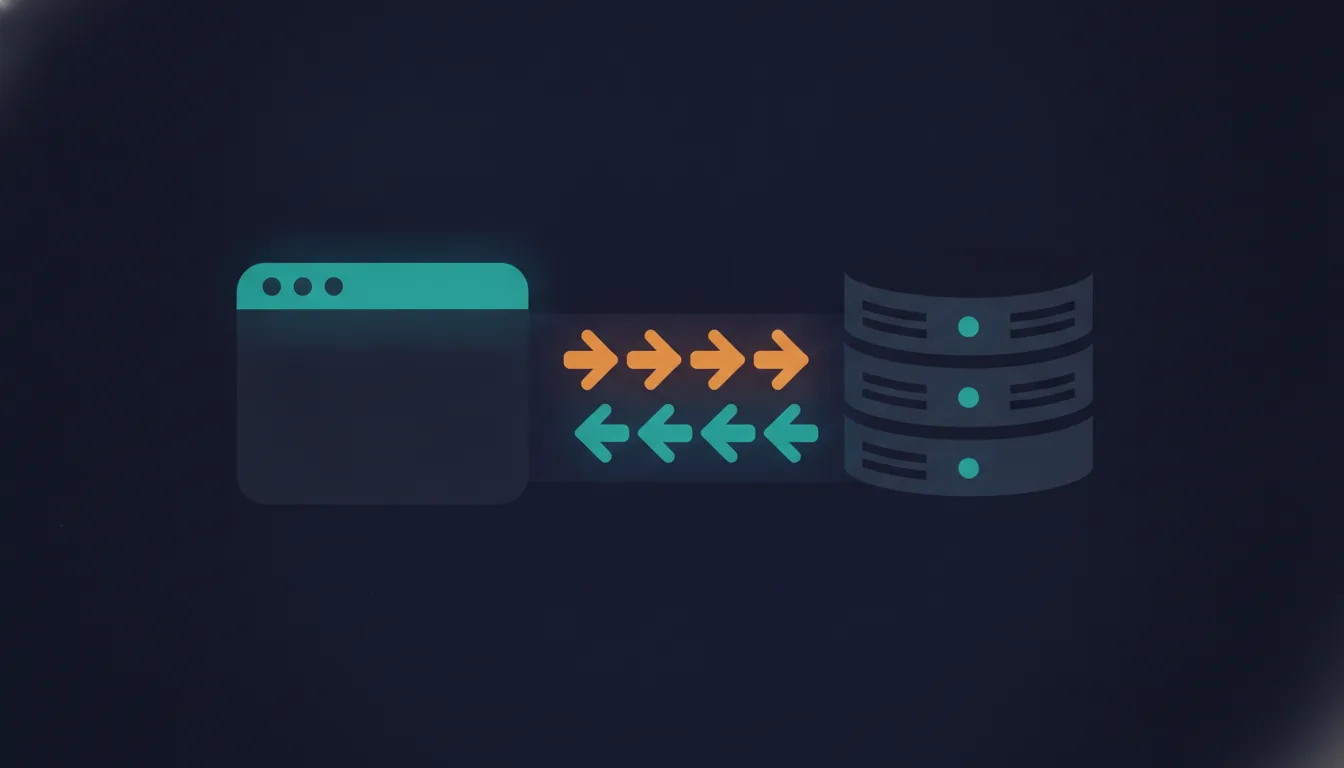
A browser window on the left and a server on the right joined by a broad channel carrying amber arrows flowing right and teal arrows flowing left at the same time, showing full-duplex two-way traffic

In Part 1 the server learned to talk without being asked — but the browser could still only listen. A chat, a multiplayer game, a collaborative editor: these need both sides speaking freely over one connection. This is Part 2 of the series, and it's about the browser's true two-way channels — WebSockets, the workhorse, and WebTransport, its modern successor.

Beyond HTTP, Part 1: When the Server Speaks First

· 11 min read
Pere Pages
Software Engineer
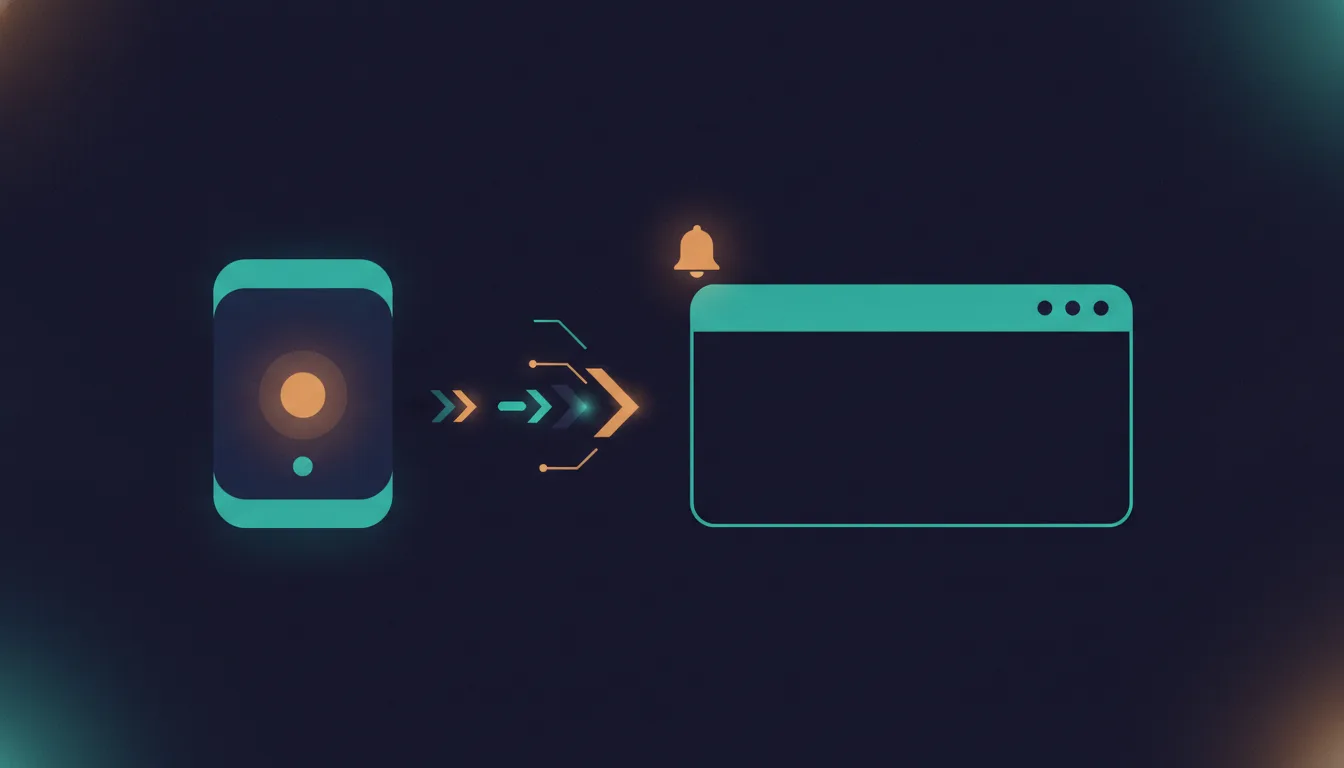
A server on the left streaming a one-way flow of glowing message arrows toward a browser window on the right, with a small notification bell above it

Plain HyperText Transfer Protocol (HTTP) has one stubborn rule: the browser asks, the server answers, and then the line goes dead. So how does a chat notification, a live score, or a stream of tokens from a language model reach a page that never asked again? This is Part 1 of a three-part tour of the browser's networking beyond request–response — and it starts with the three ways a server can reach you.

The OSI Layers for Dummies (and Then, HTTP/3 Explained With Them)

· 14 min read
Pere Pages
Software Engineer
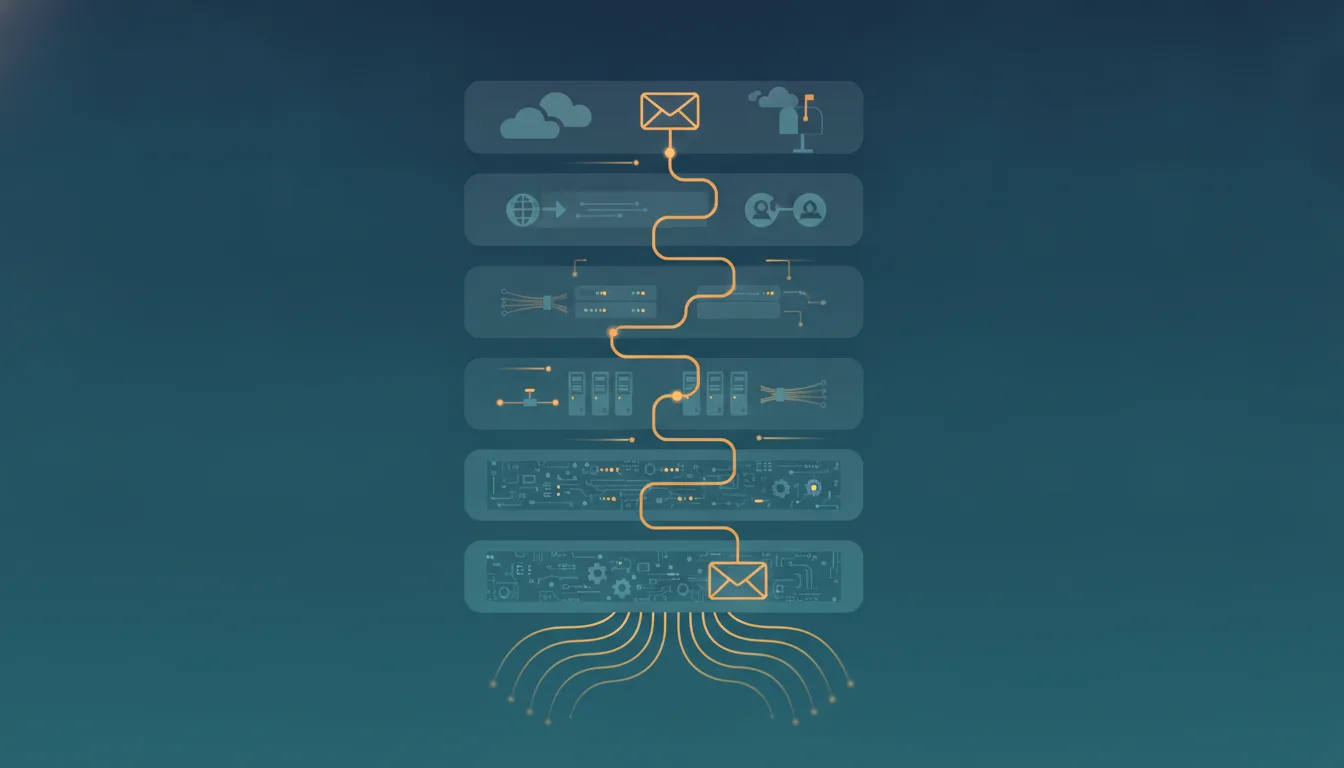
A stack of translucent network layers with an envelope-shaped data packet travelling down through them toward physical cables and radio waves

If you've ever nodded along when someone said "that's a layer 4 problem" while secretly having no idea what they meant, this post is for you. We'll walk through the OSI (Open Systems Interconnection) model with a simple, everyday postal analogy, and then use that new knowledge to understand why HTTP/3 — the newest version of the HyperText Transfer Protocol (HTTP) — is such a big deal.

Practical curl: The Commands and Flags Developers Actually Use

· 9 min read
Pere Pages
Software Engineer
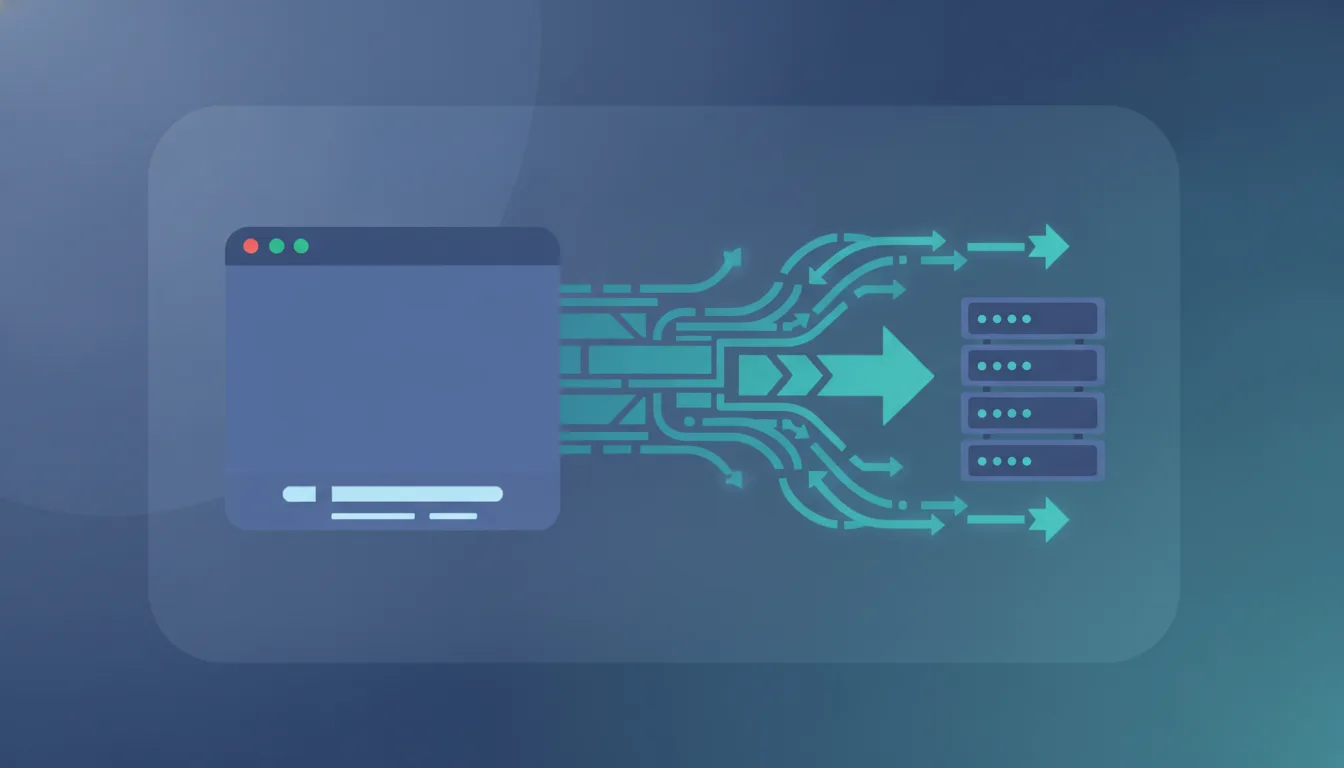
A terminal window with a data stream flowing out to a rack of servers, illustrating curl moving requests and responses between a machine and a server

Most developers use curl as a quick way to "hit an endpoint". But curl is much more than that — a tiny HTTP client, a debugging tool, a poor man's Postman, a network probe, a CI health checker, a download manager, and often the fastest way to understand what's really happening between your machine and a server. Here are 25 curl recipes I actually reach for.