
When you need to inspect, modify, or replay HTTP(S) traffic, few tools are as powerful and flexible as mitmproxy.
It's open-source, scriptable in Python, and works seamlessly as a man-in-the-middle proxy.

When you need to inspect, modify, or replay HTTP(S) traffic, few tools are as powerful and flexible as mitmproxy.
It's open-source, scriptable in Python, and works seamlessly as a man-in-the-middle proxy.

A guide for macOS developers who want to use Claude CLI without installing Node.js globally. The post demonstrates how to set up a local Claude CLI installation using mise for Node version management, configure a shell function in .zshrc for easy access, and solve the common issue where Claude CLI loses the current working directory context. This approach keeps your global system clean while making Claude CLI available from any project directory.

Astro is a web framework that sends plain HTML to the browser and adds JavaScript only to the few parts of a page that need it. This post explains how its engine works, the ideas behind it, and how it compares to Next.js, Gatsby, Eleventy, Hugo and the others.
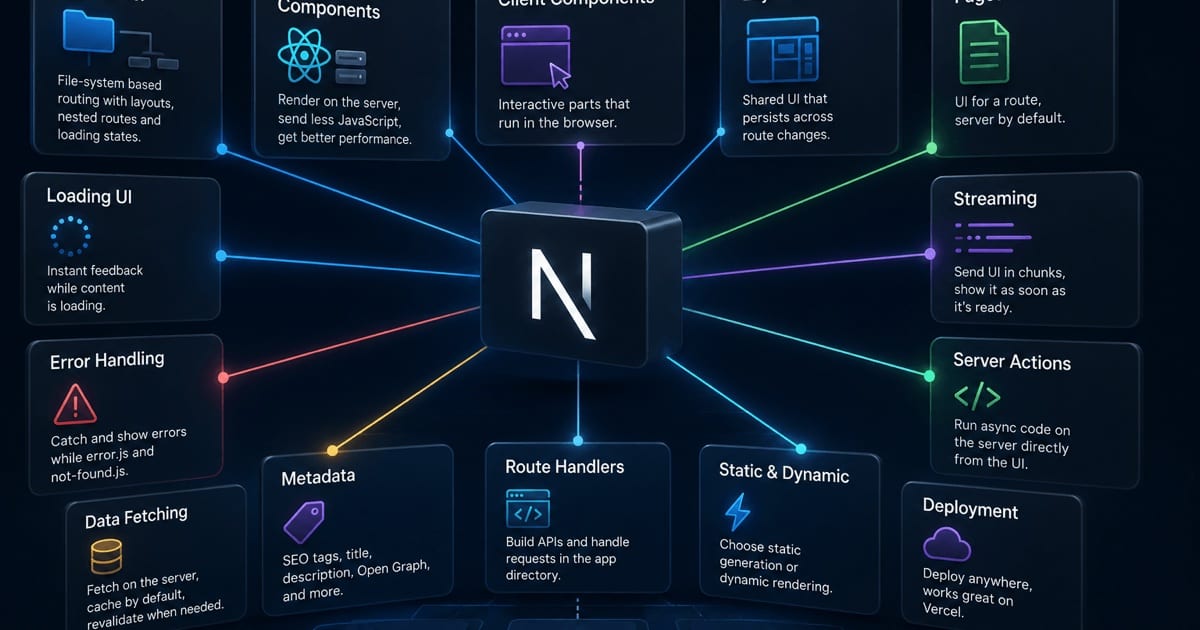
A one-line-per-concept tour of Next.js — the whole mental model at a glance, from routing to rendering to deployment, with no fluff.

This article explores the growing significance of linguistic precision and thorough understanding of foundational knowledge in the context of AI and software development, highlighting the historical importance of clear communication in the field and the relevance of Agile methodologies in the AI era. It also outlines the skills needed to effectively work with AI and navigate the evolving landscape of web development and other tech-related fields.

In software development, managing dependencies and state is crucial for ensuring deterministic behavior: for any given input, we aim for a consistent output (This is a key reason behind the growing hype for functional programming, as it emphasizes immutability and stateless functions, simplifying the management of dependencies and state). However, as the number of inputs and modules increases, so does the complexity of handling them, potentially leading to a higher risk of bugs—unintended outcomes. To mitigate this, it's essential to minimize and manage dependencies effectively, acknowledging that they can introduce similar challenges by increasing system interconnectedness and potential failure points.

The following article ("Stop testing your code!") made me think about the benefits of testing beyond Bug Cacthing.
Diving into the world of tests reveals a multitude of benefits beyond the obvious ones (like ensuring functionality integrity and catching bugs early). Let's break down some of these benefits and then touch upon common mistakes that can undermine these advantages.

Vite, Next Generation Frontend Tooling
The Vite project is a modern, fast front-end build tool that significantly improves the development experience for web projects. Created by Evan You, the creator of Vue.js, Vite leverages modern web standards such as native ES modules (ESM) to enable lightning-fast server start-up and hot module replacement (HMR). Here's a quick rundown of its core features and philosophies:
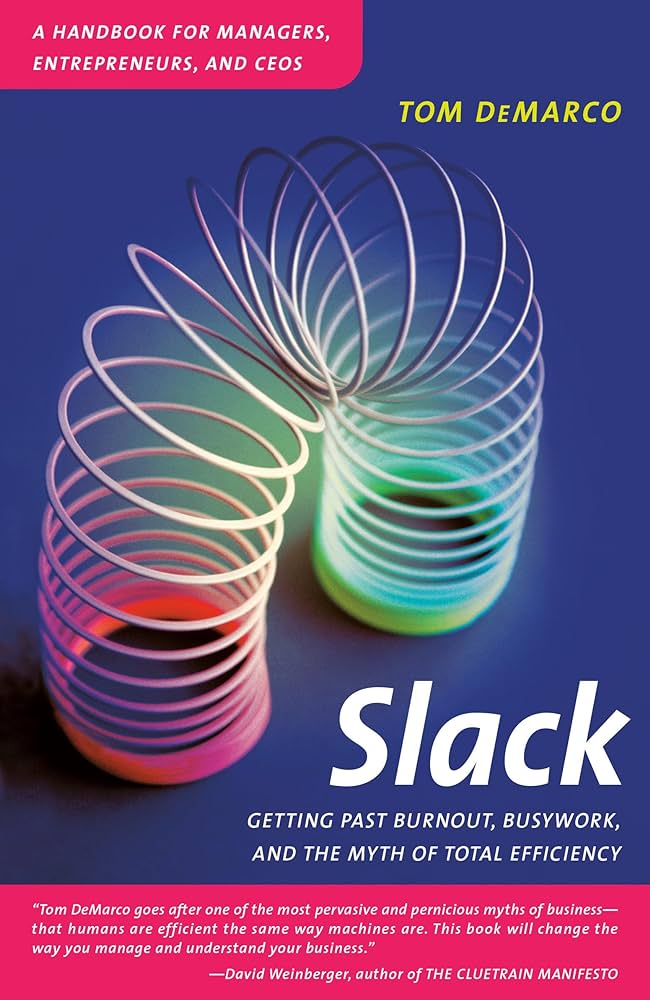
Slack: Getting Past Burnout, Busywork, and the Myth of Total Efficiency by Tom DeMarco is a well-regarded book in the field of management and organizational behavior first published in 2001.
DeMarco challenges the conventional wisdom that companies must maximize efficiency at all costs. He argues that an obsession with efficiency can lead to a work environment that lacks the slack necessary for innovation, flexibility, and the maintenance of employee well-being.
The book advocates for creating slack within organizations to allow for recovery, learning, and innovation. DeMarco suggests that by allowing some degree of slack, organizations can improve their adaptability, employee satisfaction, and ultimately, their long-term performance.
"Slack" is not just a critique of the relentless pursuit of efficiency but also a practical guide to creating a more humane and effective workplace. It's a must-read for managers and leaders who want to foster an environment where innovation and creativity can thrive, without sacrificing the well-being of their employees.
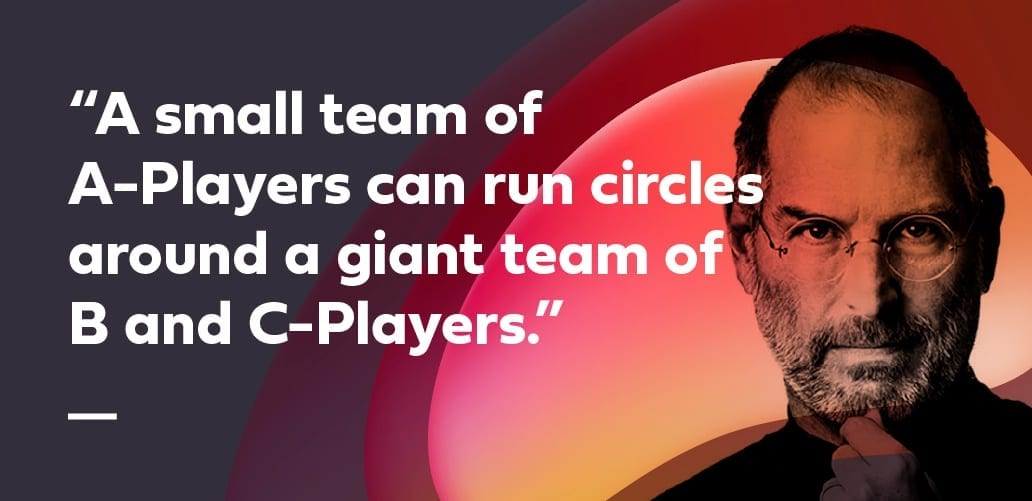
Steve Jobs famously spoke about the concept of "A players" in the context of building effective teams. His philosophy was centered on the idea that the best employees, the "A players," are not just marginally better than average employees, but exponentially better. He believed that A players are more creative, productive, and capable of working at a pace and quality level that far exceeds others.