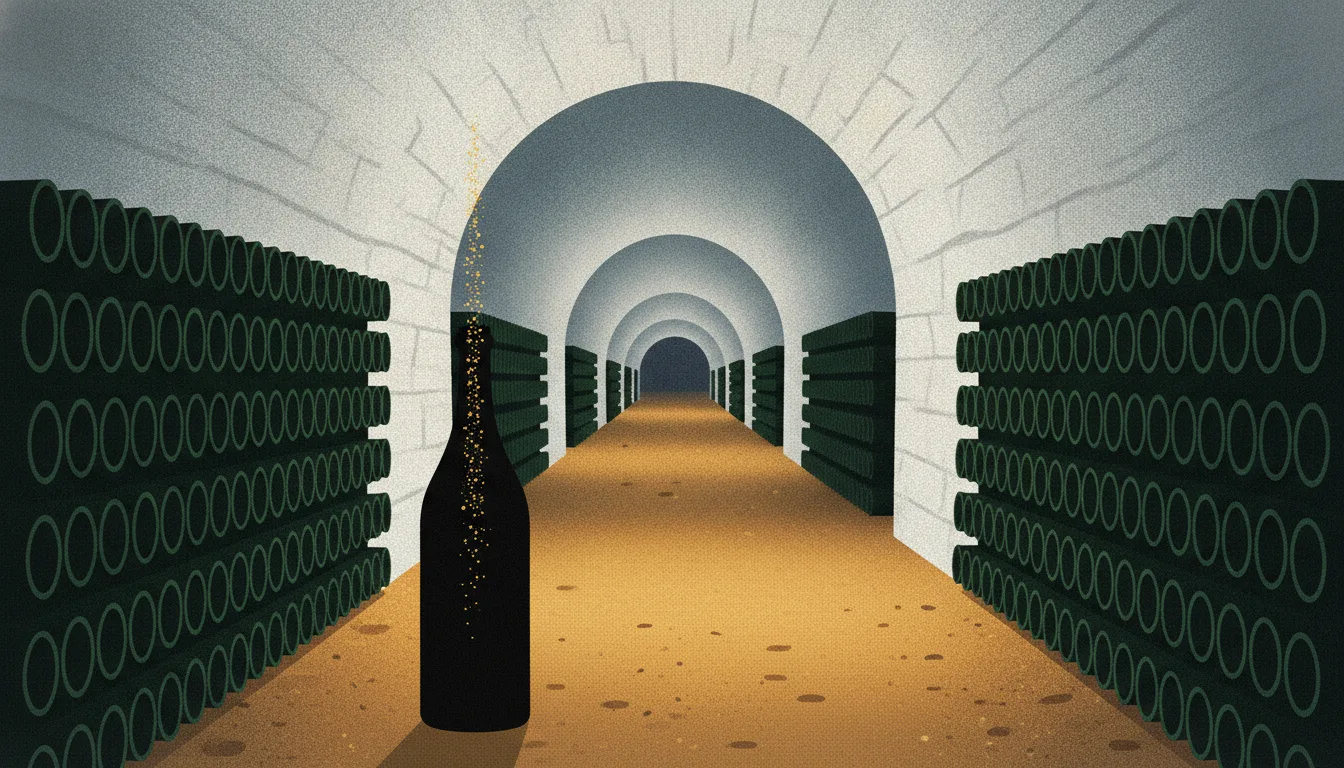
Champagne is not a style of wine or a way of making it. It is a cold, chalky, legally fenced piece of northern France, and almost everything people find confusing about sparkling wine dissolves once that one fact is in place.
Champagne is not a style of wine or a way of making it. It is a cold, chalky, legally fenced piece of northern France, and almost everything people find confusing about sparkling wine dissolves once that one fact is in place.
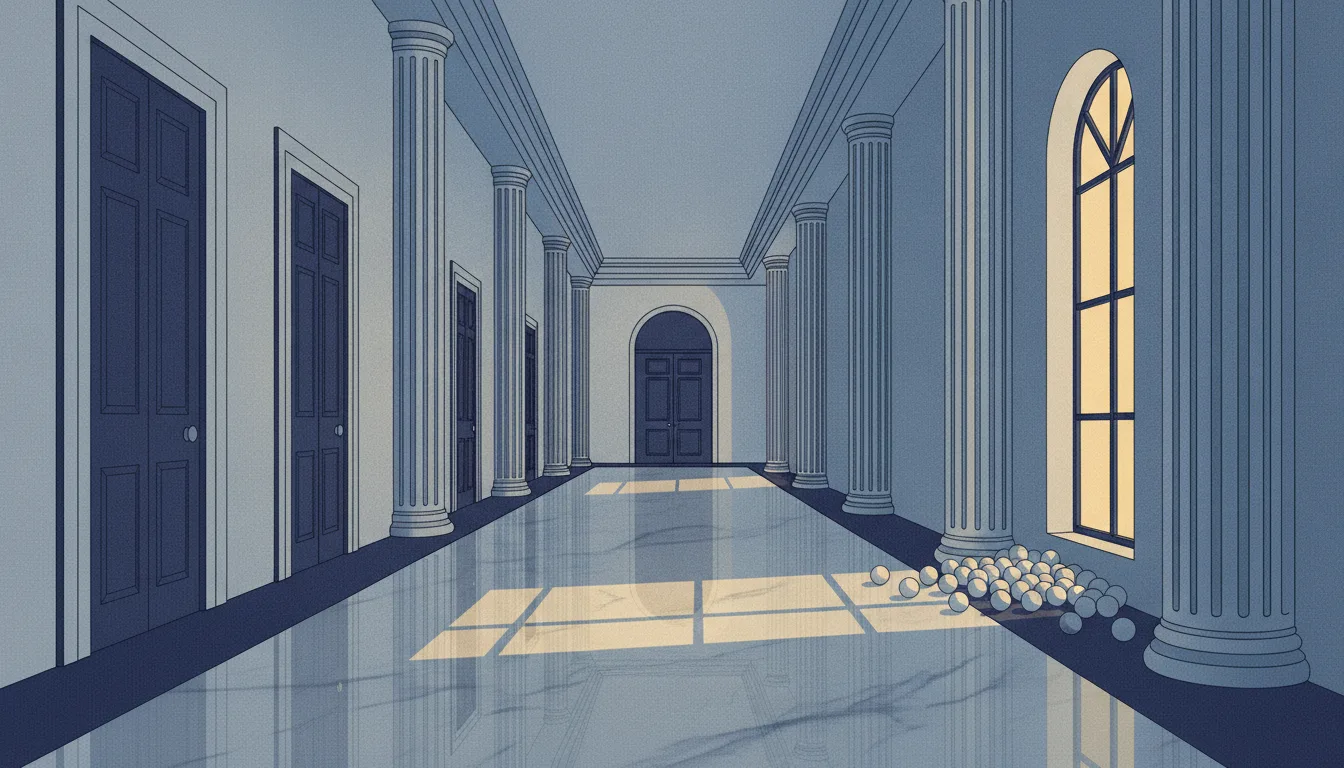
We have a precise word for a politician taking an envelope. We have no everyday word for a decade of decisions that all happen to land on the same side of the same argument. That gap in the vocabulary is not neutral — it is doing work.

A tow buoy is the cheapest way to stop being invisible to boats — but the moment you clip one on, you're towing several metres of rope around your fins. Here's how to rig one for the kind of snorkeling where nothing goes deeper than about five metres.
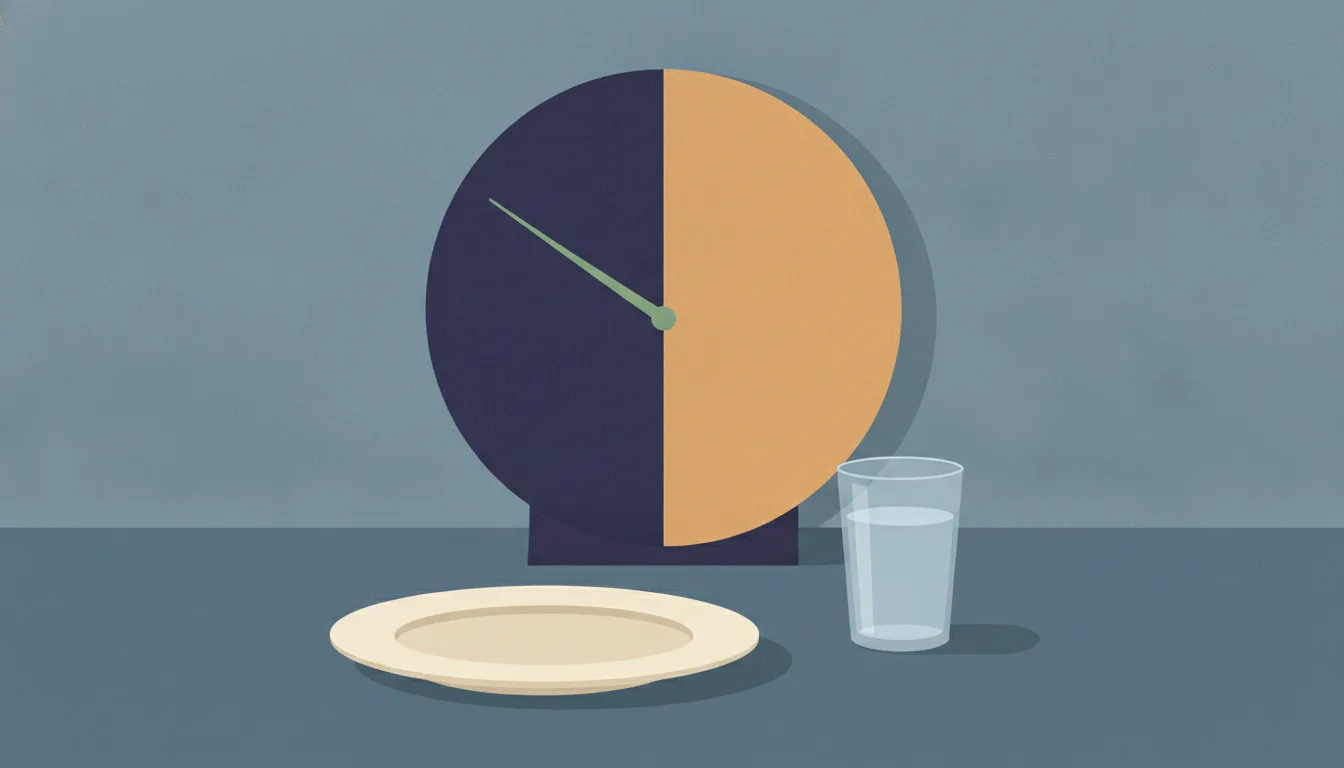
Fasting promises a lot: fat loss, cellular renewal, a longer life. Here is what the best evidence actually supports — how many hours, how many days, how many times a year, and where the popular claims outrun the science.
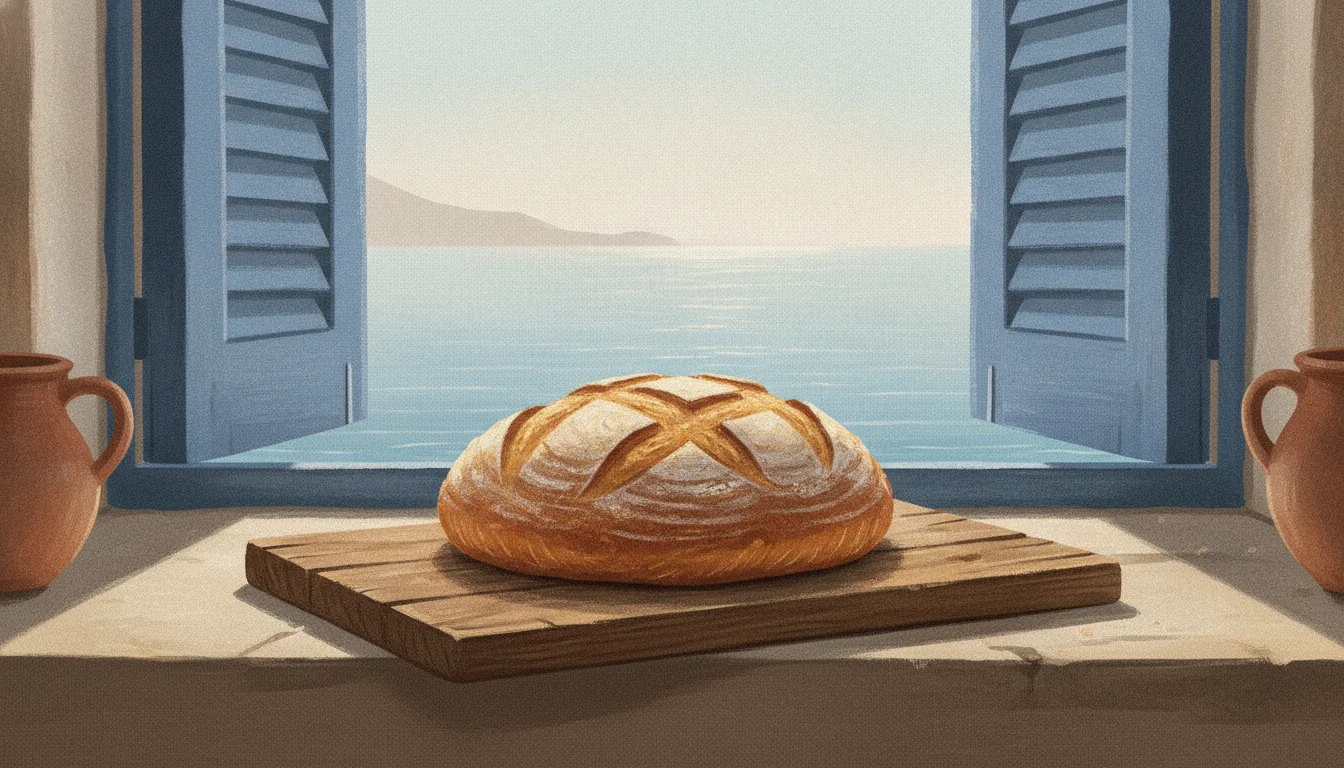
Near the coast, bread doesn't fail the way the books say it should: the crust turns leathery long before the inside dries out, and no bag seems to stop it. Humid sea air reverses the direction the water travels — and what saves a crust here turns out not to be a container at all.
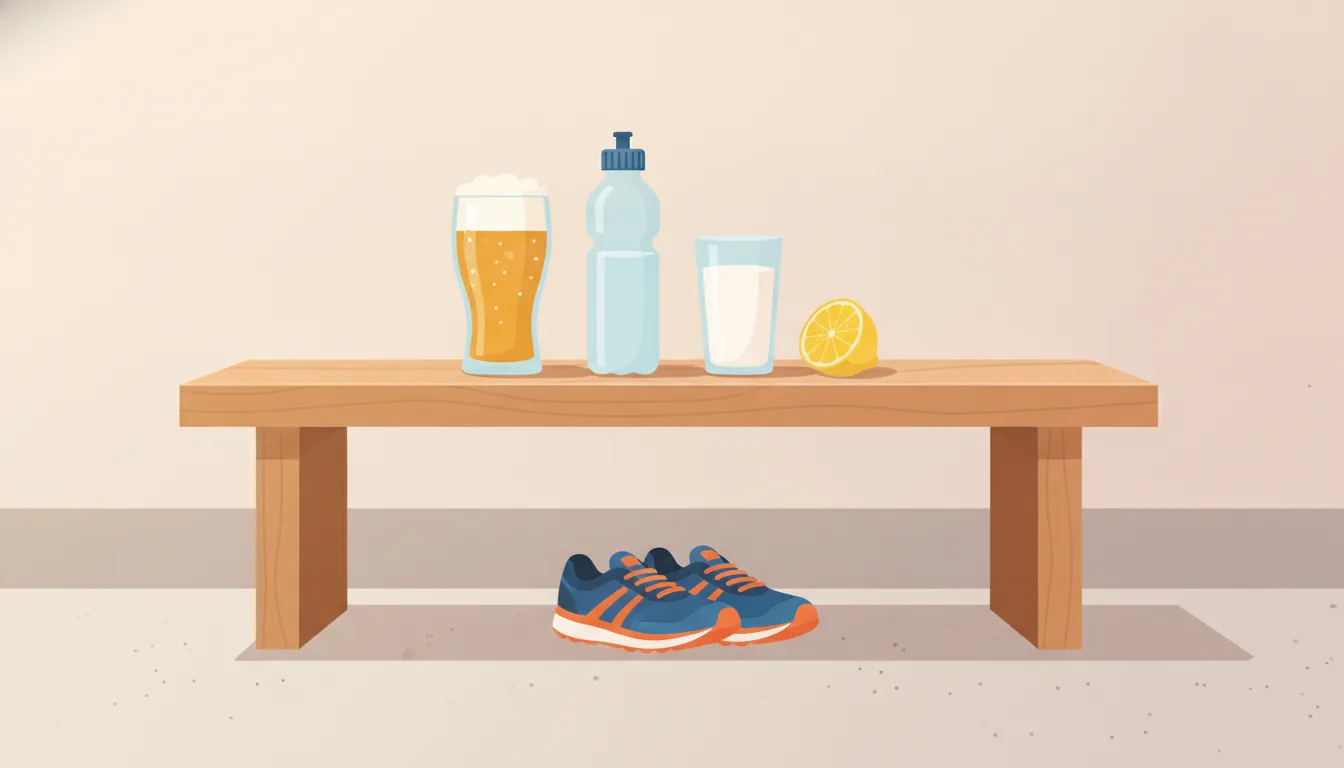
After a hard session, what should you actually drink? A tour of the recovery drinks that genuinely work — and an honest look at whether 0.0 beer has earned its place among them.

Most people meet this book through a quote on a poster. That's a shame, because the poster version — choose your attitude, stay positive — is the shallowest possible reading of it.

Few works of literature have been read, reread, and reinterpreted as relentlessly as the Odyssey. For nearly three thousand years, readers have found in Odysseus's ten-year journey home from Troy not just an adventure story, but a map of the human condition. Part of the poem's genius is that it refuses to settle into a single meaning. Every episode works simultaneously as a thrilling narrative event and as a metaphor — and different eras, schools of thought, and readers have unpacked those metaphors in strikingly different ways. This post walks through the major interpretive traditions and the symbolic readings of the poem's most famous episodes.
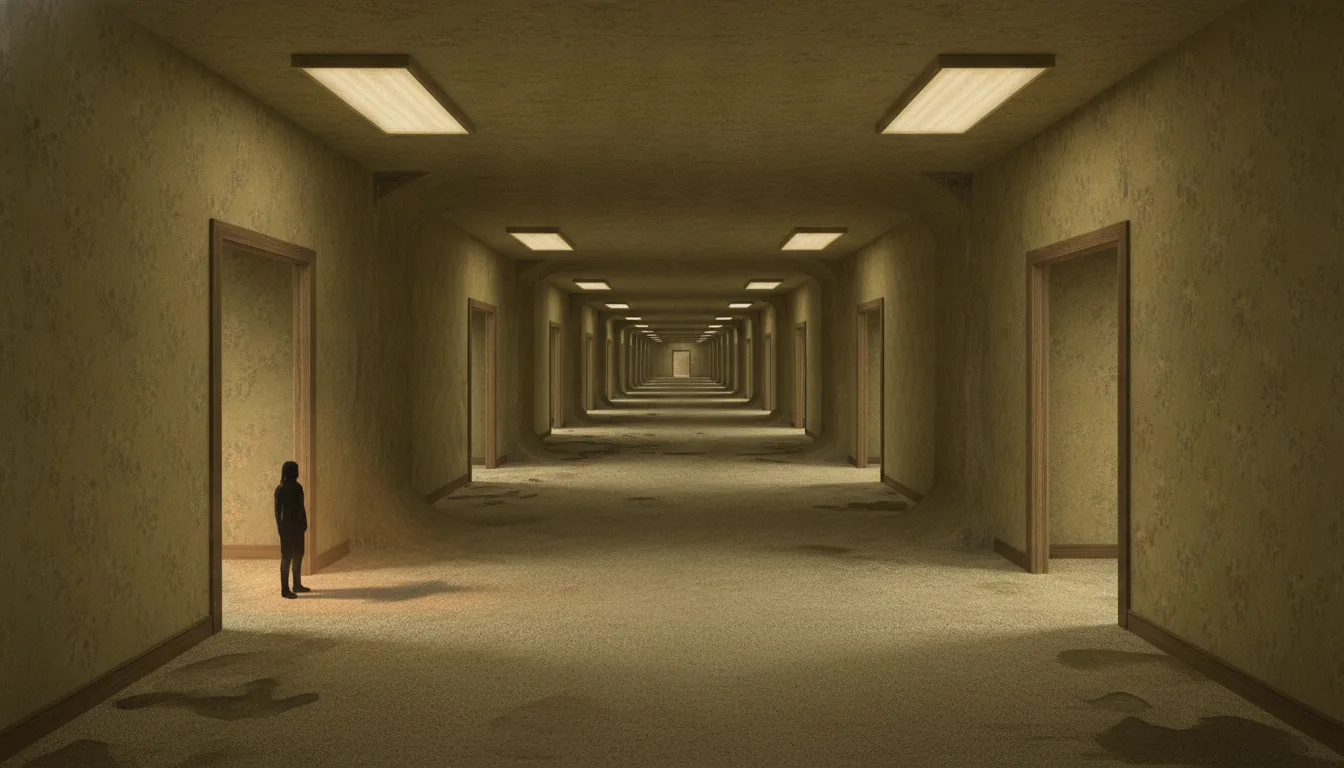
A24's Backrooms turned an internet creepypasta into a film about something far more intimate: what happens to a mind that refuses to process its past. This is a reading of the film's central metaphor — room by room.

For most of history, flavor was a mystery you could taste but never see. Then a machine came along that could pull an aroma apart, molecule by molecule, and tell you exactly what it was made of — and in doing so it revealed something strange: two completely different sources can smell like the same thing because they carry the very same molecule.