
Most people meet this book through a quote on a poster. That's a shame, because the poster version — choose your attitude, stay positive — is the shallowest possible reading of it.

Most people meet this book through a quote on a poster. That's a shame, because the poster version — choose your attitude, stay positive — is the shallowest possible reading of it.
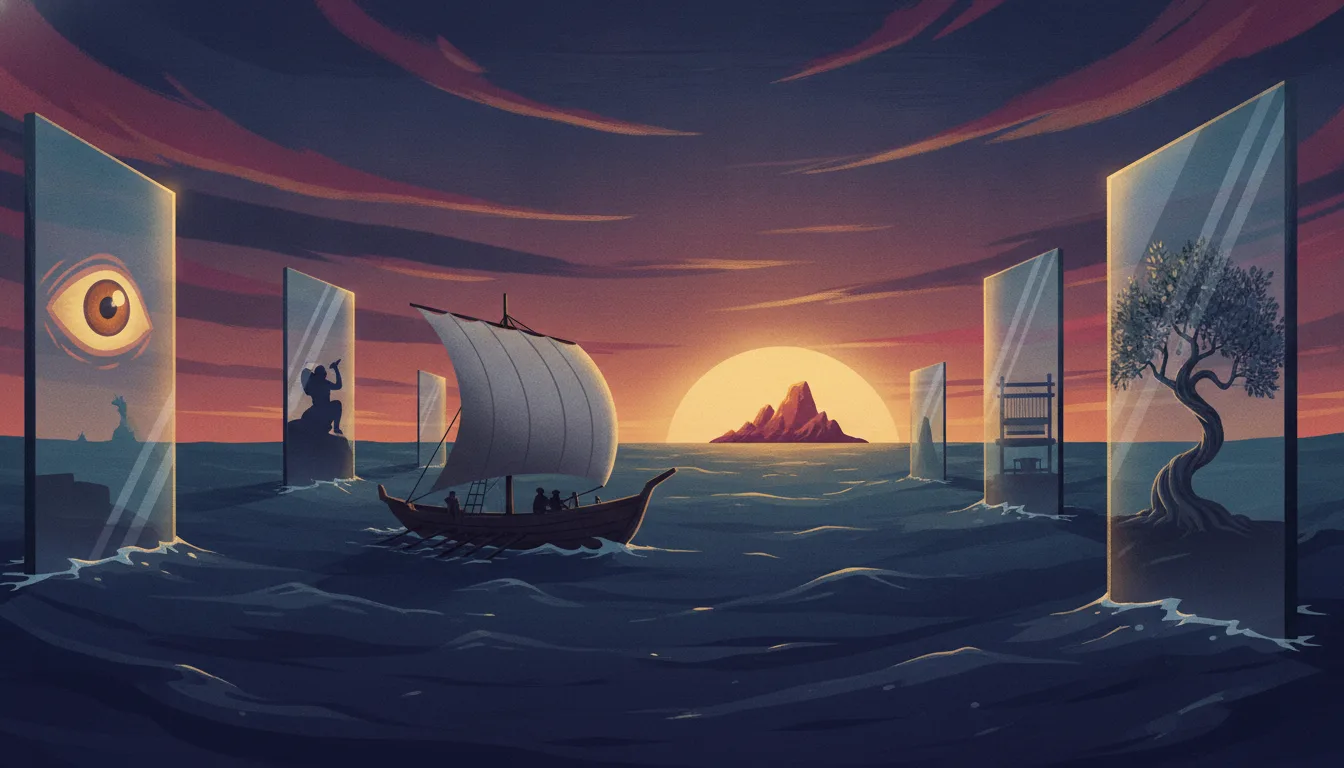
Few works of literature have been read, reread, and reinterpreted as relentlessly as the Odyssey. For nearly three thousand years, readers have found in Odysseus's ten-year journey home from Troy not just an adventure story, but a map of the human condition. Part of the poem's genius is that it refuses to settle into a single meaning. Every episode works simultaneously as a thrilling narrative event and as a metaphor — and different eras, schools of thought, and readers have unpacked those metaphors in strikingly different ways. This post walks through the major interpretive traditions and the symbolic readings of the poem's most famous episodes.

E.O. Wilson warned that we would drown in information while starving for wisdom. The stranger truth is that the wisdom is already here — and we're still thirsty.
No lectures. No essays. Names, ideas, one key work each, and what each one is for. Look up whatever catches your eye — the goal is a map, not a syllabus.
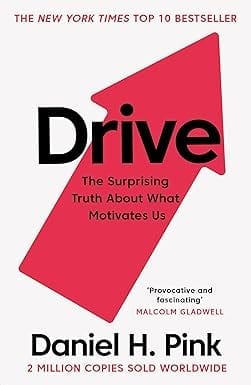
In the quest to understand what truly motivates us, "Drive: The Surprising Truth About What Motivates Us" by Daniel H. Pink stands out as a seminal work. Drawing on four decades of research on human motivation, it challenges the reward-and-punishment model most workplaces still run on and offers a more accurate picture of what actually gets us to do our best work.