
I had seventeen live websites on seven domains, most of them on GitHub Pages, and no way to know whether anyone had ever visited them. Choosing a tracker turned out to depend on consent law and ad blockers much more than on features.

I had seventeen live websites on seven domains, most of them on GitHub Pages, and no way to know whether anyone had ever visited them. Choosing a tracker turned out to depend on consent law and ad blockers much more than on features.

Claude Code writes two records to your disk: an append-only ledger of every exchange with the model, and a small cached snapshot of how full your rate limits are. Almost every tool and blog post about local usage tracking knows about the first one and misses the second — including, until I actually looked, me.
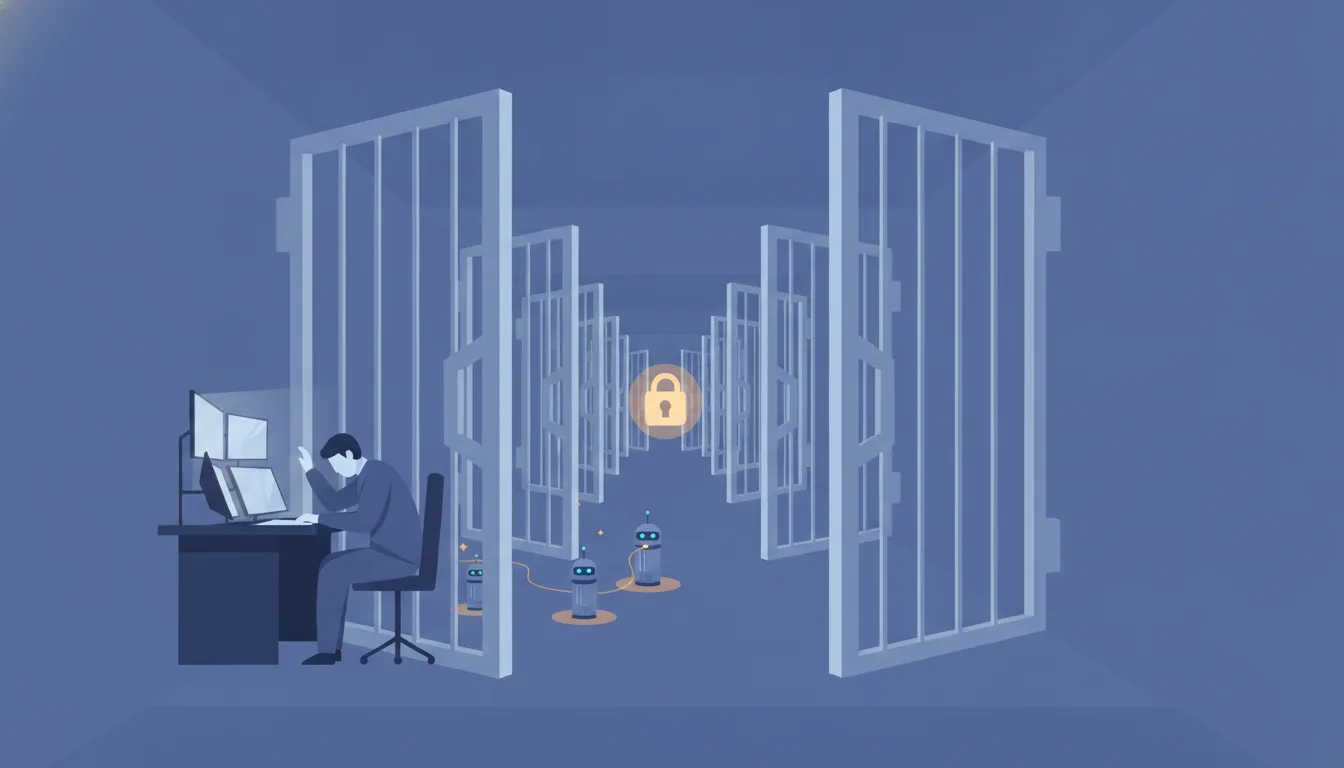
Every "always allow" click quietly trades a little control for a little convenience — and after a few months of daily agent use, those clicks add up to a security posture nobody designed. Here's how to audit what your coding agent can already do without asking, which grants deserve scrutiny, and how to put deliberate guardrails back.

Claude Code skills have no requires: field, no imports, no dependency resolver — and yet you can build a real graph of skills that depend on each other. This post lays out the mental model, the three composition mechanisms that fall out of it, and a refactor of this blog's own skill folder as a case study in what happens when you skip them.

Your ~/.claude folder quietly accumulates two very different things: configuration you'd hate to lose, and private data you must never publish. Here's how to put the first under git without ever committing the second.

Two fields in package.json both claim to pin your package manager. They can't both be satisfied, the tools that read them are moving in opposite directions, and picking wrong can lock you out of your own repo.

Every post on this blog needs two images that do completely different jobs: a social card that has to earn a click in a feed, and an inline hero that opens the article. This post is about how the blog makes both — a typographic default that costs nothing, an opt-in artificial-intelligence (AI) cover that costs about four cents, and the little Model Context Protocol (MCP) server that wires an image model straight into Claude Code. The cover above was made by that exact pipeline.

Bundlers are the most invisible critical infrastructure in frontend development. Every npm run dev and every continuous-integration (CI) pipeline runs through one, yet most of us only think about them when something breaks or when a migration guide lands in our feed. This post is an attempt to fix that: what a bundler actually does under the hood, how we got from script tags to Rust toolchains, which tool owns which niche today, and where the whole thing is heading.

The real goal is simpler: make the terminal fast, readable, predictable and comfortable enough that it gets out of your way.

I've started using chezmoi to manage my dotfiles: shell config, Git config, editor settings, aliases, and all those small files that make a machine feel like mine.
The basic idea is simple:
chezmoi source repo ↔ my real $HOME files
But the direction matters.